Dir: Joachim Trier
Cast: Renate Reinsve, Stellan Skarsgard, Inga Ibsdotter Lilleaas, Elle Fanning
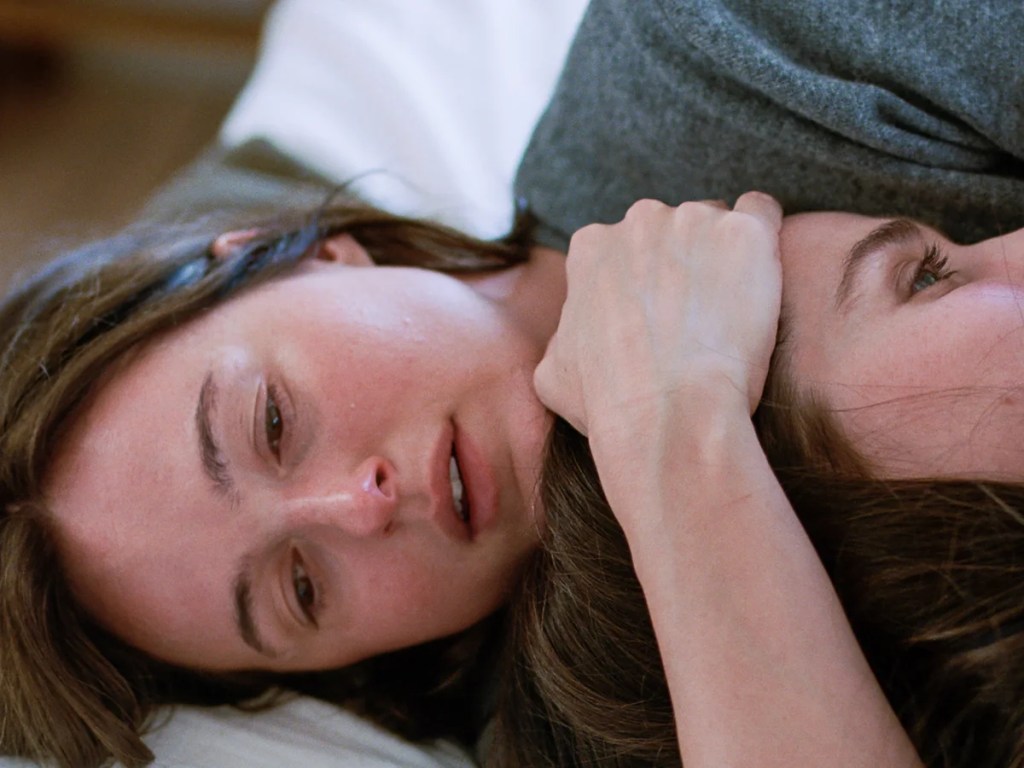
While Joachim Trier’s tragicomedy dazzles with technical mastery and standout performances from its close-knit cast, it ultimately falls short of capturing the emotional depth and resonance that defined his earlier works
Award season is in full swing, and as usual, many of the most talked-about contenders arrive fashionably late in the UK, especially those hailing from the foreign language circuit. This has been especially frustrating this year, given the prominence of international films so far this award season. One such film I finally caught on the big screen after its delayed Boxing Day release is “Sentimental Value”, the newest comedy-drama from acclaimed Scandinavian director Joachim Trier. Though born in Copenhagen, the dual national Trier often sets his bittersweet tales of love and ambition in his childhood hometown of Oslo. His latest, and perhaps most intimate, is no exception, with the Norwegian capital coming alive as a character in its own right, framing another of Trier’s signature existential tragicomedies.
Trier has delved into memory, love, and ambition against the familiar streets of Oslo in his celebrated “Oslo Trilogy”, with the critical success of “Reprise” (2006), “Oslo, August 31st” (2011), and the more recent “The Worst Person in the World” (2021) cementing Trier and his co-writer Eskil Vogt as a powerhouse duo in European cinema. Their previous triumph brought them international acclaim and an Oscar nomination for Original Screenplay. Though not the most prolific, Trier consistently captivates audiences with his eclectic, relatable storytelling, and the widespread success of “The Worst Person in the World” has finally introduced his resonant themes to a broader English-speaking audience.
This momentum fuelled high expectations for Trier’s latest, which premiered to great acclaim at Cannes and earned him the coveted Grand Prix. In the months since, the film has solidified its status as a major awards contender, picking up Best Film nominations at both the Golden Globes and Critics’ Choice Awards, and now stands poised for multiple Oscar nods at the upcoming 98th Academy Awards.
The film also spotlights Norwegian actress Renate Reinsve, who, though a familiar face in European cinema, is only beginning to make waves internationally after her Hollywood debut last year in “A Different Man”. A frequent collaborator of Trier’s, Reinsve’s breakout might have arrived sooner if not for the SAG-AFTRA strikes, which forced her to relinquish the lead in Zach Cregger’s hit horror film “Weapons” to Julia Garner after production delays.
Echoing her role in “The Worst Person in the World”, Reinsve plays Nora, a young woman adrift in search of herself. Nora is a moderately successful Norwegian theatre actress, but she battles intense stage fright and anxiety, all while entangled in an affair with her married colleague Jakob (Anders Danielsen Lie).
After the death of their psychotherapist mother Sissel, Nora and her sister Agnes (Inga Ibsdotter Lilleaas) are forced to reconnect with their estranged father Gustav (Stellan Skarsgard), who they have grown to resent following his years of absence and alcoholism. Gustav, who once used the divorce as a reason to abandon Norway for his filmmaking ambitions, now returns to reclaim the ancestral family home, a place steeped in generations of secrets and trauma.
With his career faltering, Gustav pins his hopes on a new film inspired by his mother, Karin, a member of the Norwegian resistance, believing it could be his most meaningful work yet. Eager to mend family ties, he asks Nora to take the lead role, insisting he wrote it for her. When she refuses, he turns to American actress Rachel Kemp (Elle Fanning), who soon finds herself drawn into the tangled history of Gustav’s family and the legacy of his remarkable mother.
I entered Trier’s latest tragicomedy with high hopes, buoyed by its awards buzz and still haunted by the emotional impact of “The Worst Person in the World”. Yet, after finally catching the film following its belated UK release, I left feeling underwhelmed, sensing Trier was revisiting familiar territory without the same depth as before. While Trier and Vogt skillfully evoke the weight of generational pain and the way objects and places can resurrect old wounds, the film’s promising premise gets bogged down by sluggish pacing and an overambitious attempt to tackle too many societal issues at once. The true star here is the Oslo house, a silent witness to decades of unresolved sorrow since Gustav’s mother’s suicide decades prior. As Gustav returns to film his most personal project within its decaying walls, the house itself becomes a living metaphor, its crumbling structure echoing the family’s fractured history. Introduced from the start as a home built on shaky foundations, the house almost takes on a supernatural quality, reflecting and amplifying the dysfunction of every family that passes through its doors.
There is no denying Trier’s mastery as a filmmaker; his deft use of visual metaphor and dark humour is on full display. However, the film’s self-referential satire of the industry feels like unnecessary baggage, weighing down the far more compelling story of a family teetering on the edge, much like their hauntingly beautiful, crumbling Oslo home. Trier’s craftsmanship shines through in his nuanced storytelling and the authenticity he brings to his characters, a quality mirrored in Kasper Tuxen‘s restrained, mature cinematography. Tuxen’s lens captures both the shadows and the fleeting light within the Borg family and their home, the latter being remarkably brought to life by some stellar production design.
Trier also has a gift for drawing out career-best performances from his actors, and his core ensemble rises to the occasion, arguably delivering the best performances of their careers. Elle Fanning, no stranger to the spotlight since childhood, channels her character’s complexity with a newfound gravitas, cementing her status as a serious dramatic force after a remarkable run in the past year with this film, “A Complete Unknown”, and even “Predator: Badlands”. Meanwhile, Skarsgard, a fixture in Hollywood for decades, seems poised to finally receive overdue recognition for what may be his defining role.
Reinsve delivers yet another electrifying performance, and with Oscar buzz swirling, her ascent in Hollywood seems all but inevitable. Her portrayal of Nora evokes shades of Julie from “The Worst Person in the World”, almost serving as an extension of the character as if she has entered a new chapter of adulthood. Who truly stood out for me was Lilleaas as Agnes, the character who captured my emotions more than any other. As the calm anchor between Gustav’s volatility and Nora’s fragility, Agnes radiates a gentle warmth that holds the family together. While Nora and Gustav stumble through their flaws, Lilleaas quietly becomes the family’s steady heartbeat, concealing her own scars from her sister because she knows she can bear them better than her impulsive sibling. Through her son Erik, Agnes also keeps the family’s patterns alive within their home, especially as Gustav tries to draw Erik into his latest project, echoing his earlier casting of her in one of his earlier works.
As a display of acting and technical skill, “Sentimental Value” rarely misses a beat, but for me, it did not deliver the emotional impact I found in Trier’s earlier films. Yet the film’s exploration of generational wounds and nostalgia has clearly struck a chord with many, leaving a lasting mark on audiences and critics alike. This duality is at the heart of Trier’s work: his stories either resonate deeply or pass by, depending on the viewer’s journey and where they are in that moment. While I did not feel fully swept up by “Sentimental Value”, I can easily imagine it leaving others profoundly moved.
The Verdict:
Joachim Trier and his gifted cast deliver a true masterclass in direction and performance, yet by juggling too many societal themes, the film’s core gets tangled in a sprawling narrative. Although it did not strike me with the emotional force of his previous films, I have no doubt that “Sentimental Value” will resonate more deeply with other viewers.
 Dan Loves Film
Always insightful reviews!
LikeLiked by 2 people